Market Analysis | April 2026
Navigating Market Volatility: Managing Solar Procurement Amid Rising Raw Material Costs
The solar industry is currently facing a dual challenge: surging global demand paired with significant price volatility in essential raw materials. For developers and EPC (Engineering, Procurement, and Construction) companies, strategic solar procurement has transitioned from a routine task to a complex exercise in risk management.
The Impact of Commodity Fluctuations
In recent months, the cost structures of core solar components have been under immense pressure:
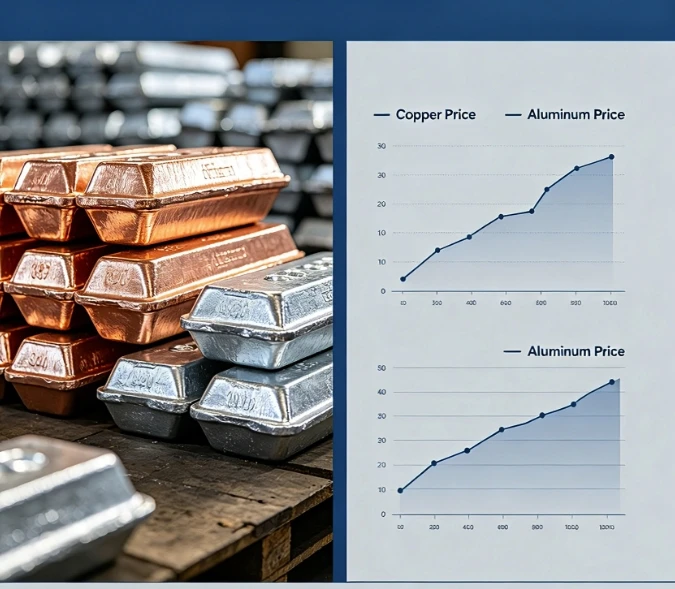
- Aluminum: As the primary materials for PV mounting systems, the spike in aluminum prices directly impacts the structural budget of any solar farm.
- Copper: The "nervous system" of a solar plant—the DC/AC solar cables—is highly sensitive to copper trading prices on the LME (London Exchange).
- Battery Cells: The core components of Energy Storage Systems (ESS) continue to face price pressure due to the fluctuating costs of lithium, cobalt, and nickel.
Why a Procurement Partner is Essential in 2026
In this "seller's market," individual buyers often struggle with price hikes and de-prioritized lead times. This is where a specialized procurement agent adds measurable value:
Price Locking & Hedging
Leveraging deep relationships with Tier 1 manufacturers, we help clients lock in material prices, shielding projects from mid-cycle spikes.
Supply Chain Transparency
We provide real-time insights into production slots and ensure your order is prioritized through long-standing supplier credit.
Technical Optimization
We assist in selecting PV mounting structures with optimized material efficiency to combat rising costs without compromising performance.
The Bottom Line
Successful solar projects are no longer just about buying components; they are about securing the supply chain. By monitoring the raw material index and auditing factory inventories, we ensure that your transition to renewable energy remains financially viable, even in a volatile global market.